
The Nigerian Supreme Council for Islamic Affairs (NSCIA) has asked Muslims across the country to begin the search for the 2026 Ramadan crescent on Tuesday, February 17, 2026.
The date, according to the council, corresponds with 29 Sha’aban 1447 A.H.
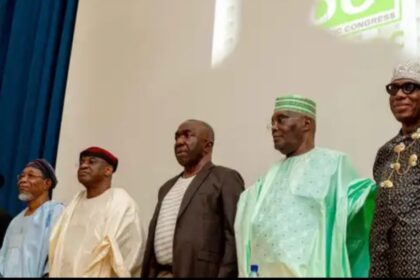
The directive was contained in a statement issued on Sunday, February 15, by the Sultan of Sokoto and President-General of the NSCIA, Alhaji Muhammad Sa’ad Abubakar.
The statement was signed by the Secretary-General of the council, Prof. Is-haq Oloyede.
NSCIA explains what Muslims should do
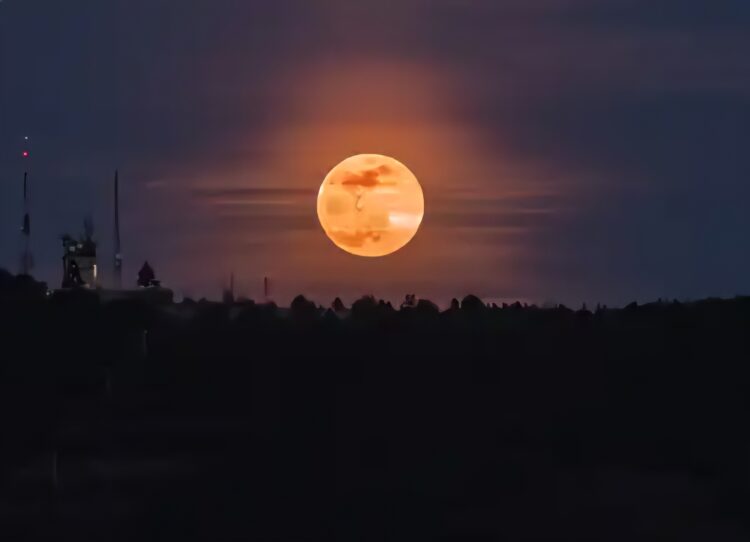
The council explained that the crescent should be looked out for immediately after sunset on the stated date.
It added that the National Moon Sighting Committee, working with the National Space Research and Development Agency (NASRDA), has put measures in place to ensure credible monitoring and reporting across the country.
The NSCIA said if the crescent is sighted on Tuesday evening, the Sultan will officially declare Wednesday, February 18, 2026, as the first day of Ramadan 1447 A.H.
However, the council noted that if there is no confirmed sighting, Thursday, February 19, 2026, will automatically become the first day of Ramadan.
The council further advised Muslims to report any credible sighting through recognised traditional rulers, religious leaders, and members of the National Moon Sighting Committee.
According to the statement, if the crescent is sighted on Tuesday evening, the Sultan of Sokoto and President-General of the NSCIA will declare Wednesday, February 18, 2026, as the first day of Ramadan 1447 A.H.
“If, however, the crescent is not sighted that day, then, Thursday, 19” February 2026, automatically becomes the first of Ramadan, 1447 A.H.
“Details of the traditional rulers, religious leaders and members of the NMSC who should be contacted on the credible sighting of the crescent of Ramadan are available at www.nscla.com.ng” it read.
The statement cited both past and recent incidents involving Nigerians of different faiths, arguing that reactions from the public and sections of the media often reflect what it described as unfair double standards.
It said Muslims are frequently pressured to condemn actions they neither supported nor participated in, while communities that have suffered attacks are sometimes portrayed as the perpetrators.
The Council added that Muslims have become “double victims” — first as major casualties of Boko Haram, banditry and Lakurawa attacks, and second as targets of narratives that downplay or ignore Muslim suffering, including what it described as the underreported killing of about 200 Muslims in Kwara state.
According to the statement, this perceived imbalance is deepening because, in its view, Christians often enjoy the backing of foreign interests, while Muslims appear largely unprotected.