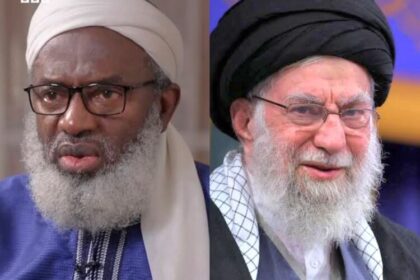

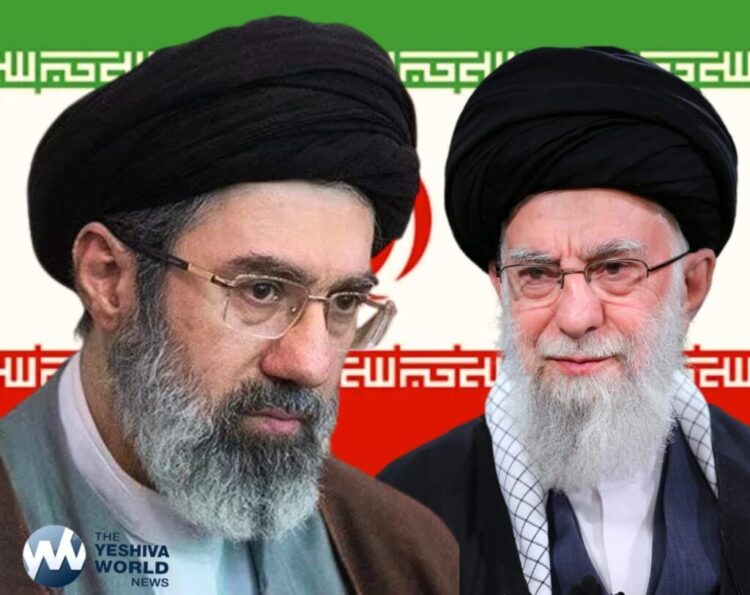
Mojtaba Khamenei has been declared the new Supreme Leader of the Islamic Republic of Iran, state media and government officials said Sunday, in a historic and contentious transition of power following the death of his father, Ayatollah Ali Khamenei.
Iran’s official news outlets announced that the 56-year-old cleric and son of the late Supreme Leader has assumed the nation’s highest authority after weeks of uncertainty and intense behind-the-scenes deliberations within Iran’s religious and political establishment.
End of an Era, Start of a New Chapter
Ayatollah Ali Khamenei, who guided Iran since 1989, was confirmed dead earlier this week following a joint U.S.-Israeli air campaign that targeted senior Iranian leadership positions. The 86-year-old had been at the center of Iran’s political and military strategy for nearly four decades, shaping both domestic policy and regional influence.
Iranian state television declared a period of national mourning and broadcast footage honoring the late leader’s legacy. Officials described the succession as constitutional and necessary to maintain stability at a critical juncture for the Islamic Republic.
Smooth Succession or Political Gamble?
Mojtaba Khamenei, a cleric with extensive ties to Iran’s religious hierarchy and the powerful Islamic Revolutionary Guard Corps (IRGC), has long been discussed as a potential successor — though not without controversy. His selection represents one of the most dramatic leadership transitions since the 1979 revolution.
Critics and analysts had warned that elevating a family member to the nation’s highest office could be seen as a form of dynastic succession, a departure from the clerical system’s stated norms. Previous reporting noted that while Mojtaba was a figure of interest, Iran’s constitution vests the power to choose the Supreme Leader in the Assembly of Experts, an 88-member body of senior clerics.
Domestic and International Reactions
Inside Iran, reactions are mixed. Hard-line supporters have welcomed the continuity of leadership, viewing Mojtaba as someone who will uphold the revolutionary principles championed by his father.
Reformists and many ordinary citizens, however, have expressed concern over how this consolidation of power will affect economic reform, personal freedoms, and Iran’s relations abroad.
Globally, capitals from Washington to Riyadh and Brussels to Beijing are closely watching developments, as Iran’s new leadership will face immediate challenges — including ongoing regional tensions, economic pressures from sanctions, and internal demands for change.
What’s Next?
Though Mojtaba Khamenei’s accession has been announced, analysts caution that Iran’s political structure is fluid. Key institutions such as the IRGC, the Guardian Council, and the Assembly of Experts will continue to exert influence over governance and policy. Whether his leadership will be immediately welcomed across Iran’s complex political spectrum remains uncertain.
For now, Tehran has entered a new era under a leader whose name was once the subject of speculation — but whose authority will now be tested on both domestic and international fronts.