

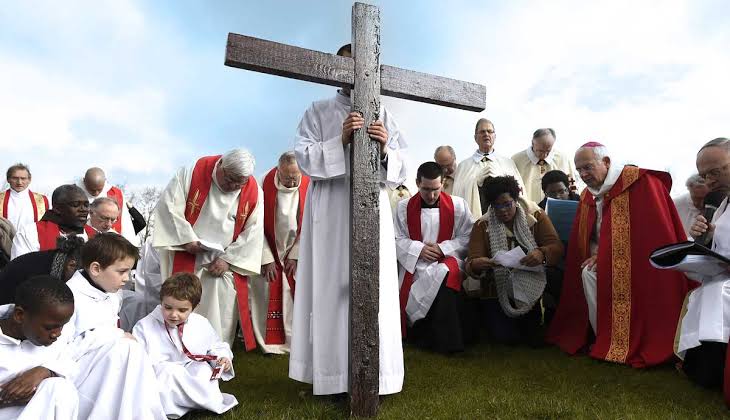
Christians, like followers of other faiths, have special days marked in their calendars each year. Easter is one of the most important holidays in the Gregorian calendar, celebrated with prayers, church services, and family gatherings.
It begins on Palm Sunday, marking Jesus’ entry into Jerusalem, and continues through Holy Week, ending with the commemoration of his resurrection on Easter Sunday.
Yet, not all countries recognise Easter. In 2026, several nations will not observe the holiday, mainly due to religious and constitutional reasons.
According to Kenya’s Daily Star and Gale, Easter is rooted in Christianity, but many countries are dominated by other religions such as Islam, Buddhism, Hinduism, Shinto, Sikhism, and Taoism.
In some nations, laws prohibit the propagation of religions other than the state religion, while others simply do not include Easter in their cultural or national calendar.
China – Buddhism, Taoism, and other faiths dominate; Christians (about 1%) celebrate privately.
South Korea – Christmas and New Year are celebrated, but Holy Week is not widely recognised.
Japan – Shinto is the majority religion, with no national observance of Easter.
Vietnam – Buddhism is the most widespread religion, followed by Confucianism and Taoism.
Muslim-majority countries that do not observe Easter
Somalia – Islam is the state religion, and propagation of other faiths is prohibited by law.
Mauritania – Defined as an Islamic republic, with strict laws against blasphemy and apostasy.
Algeria – Islam is the state religion, with 99% of the population being Sunni Muslim.
Libya – Islam is the state religion, though Christians and Jews are allowed limited freedom of worship.
Uzbekistan – 93% of the population are Muslim, and Christian practices are restricted.
Kazakhstan – Muslim majority (70%), with restrictions on Christian activities.
Qatar – Predominantly Muslim, with limited Christian presence.