
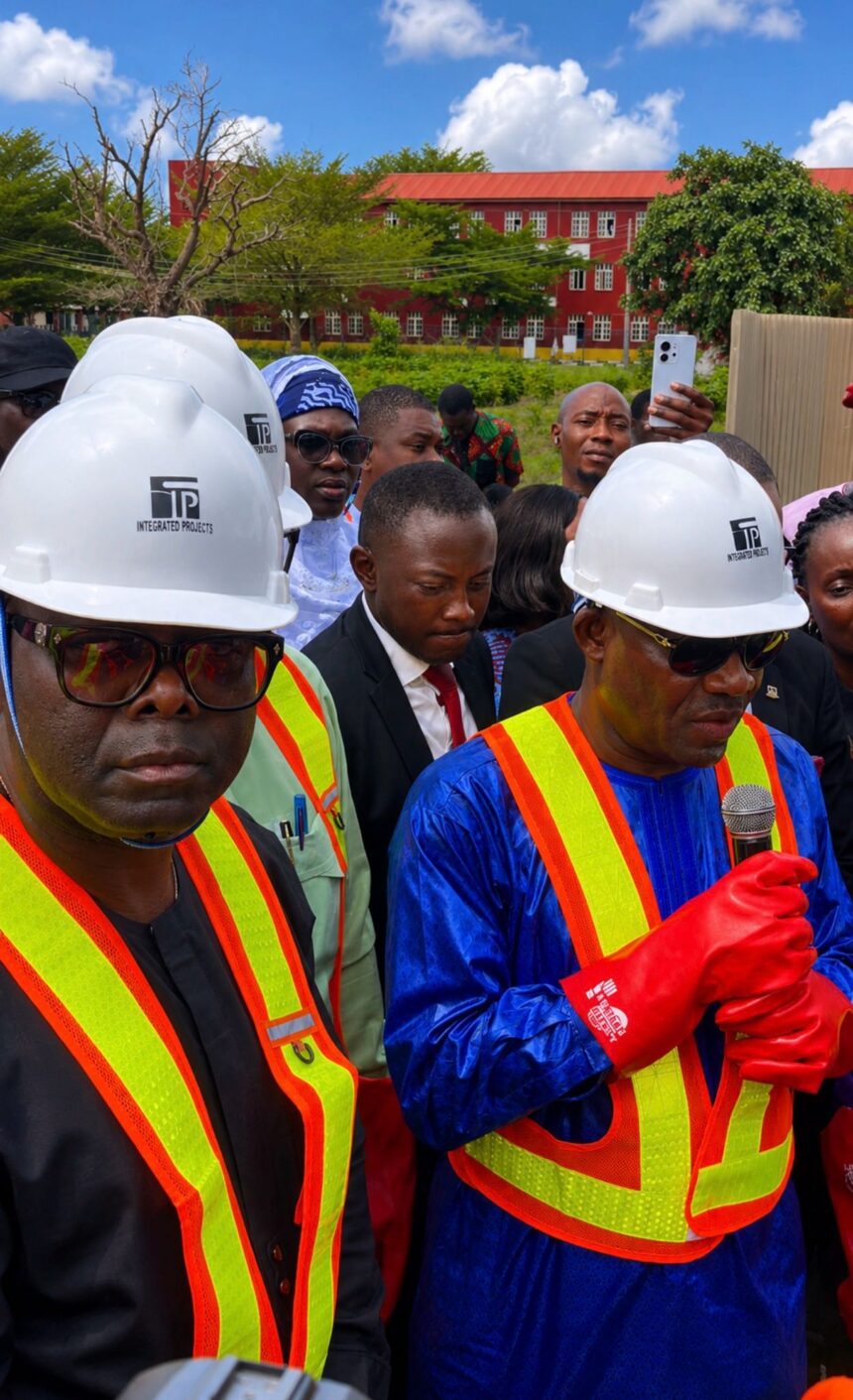
● Education Minister leads groundbreaking ceremonies as Lagos institutions infrastructure reform
●FG-backed project target accommodation crisis, student welfare
● Why Intergrated Project Ltd partnered FG on 1,500-bed on modernise campus housing
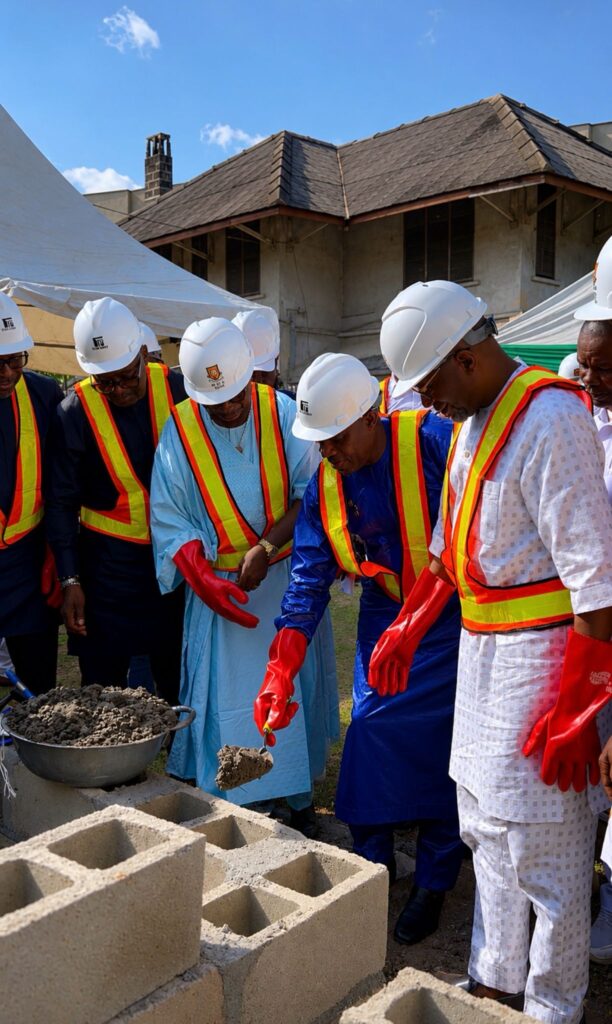
The humid Lagos afternoon bore the familiar telltale of a public ceremony. Cameras flashed beneath drifting clouds. Dignitaries exchanged pleasantries in carefully arranged clusters while ceremonial shovels sliced into freshly marked earth. Around them stood students, administrators, financiers, contractors and policymakers gathered to witness what, on the surface, appeared to be another infrastructure groundbreaking event.
Yet beneath the echo of speeches, applause and foundation stones, a more significant national reckoning unfolded across the campuses of Lagos State University and Yaba College of Technology.
For decades, one of the most persistent crises in Nigeria’s tertiary education system has remained largely understated: how students live while they learn.
Across universities and polytechnics nationwide, overcrowded hostels, deteriorating facilities, unstable electricity supply and spiralling off-campus rental costs have steadily transformed student living into a difficult negotiation with discomfort. While debates around educational reform often revolve around funding, curriculum, admissions and industrial disputes, accommodation has lingered at the margins of policy conversations despite its profound impact on academic performance, emotional wellbeing and campus stability.
That reality formed the backdrop to the groundbreaking ceremonies held under the strategic direction of the Federal Ministry of Education and through intervention frameworks supported by the Tertiary Education Trust Fund.
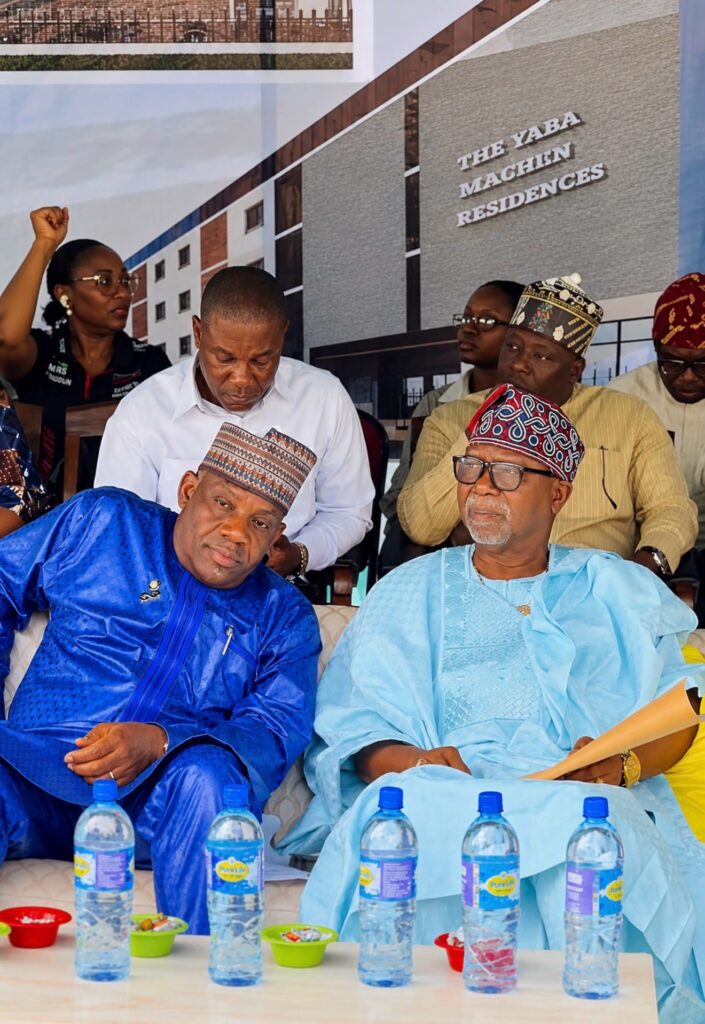
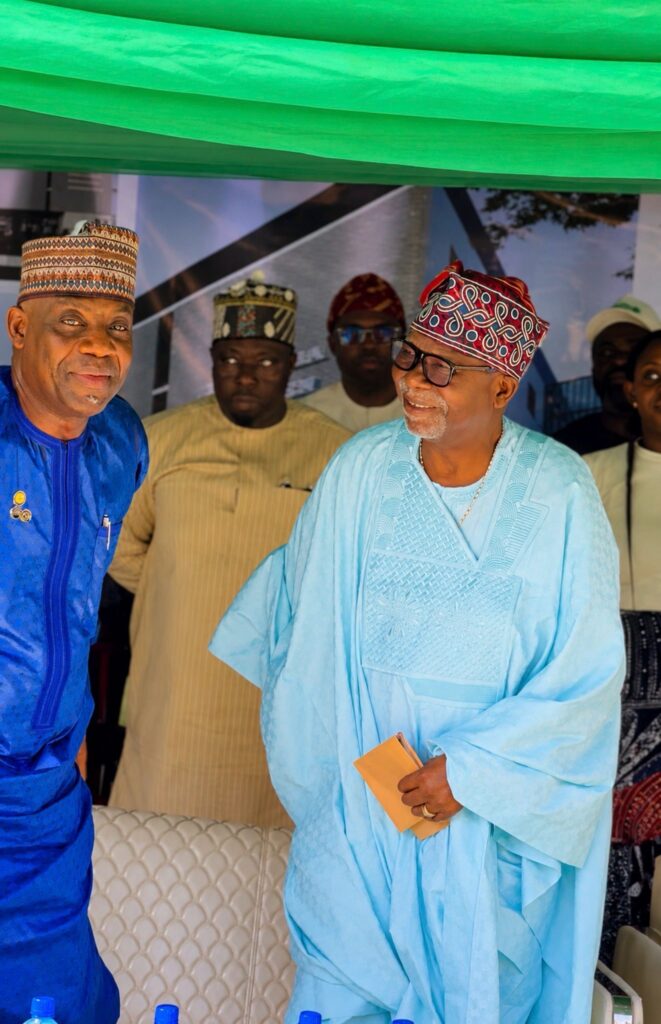
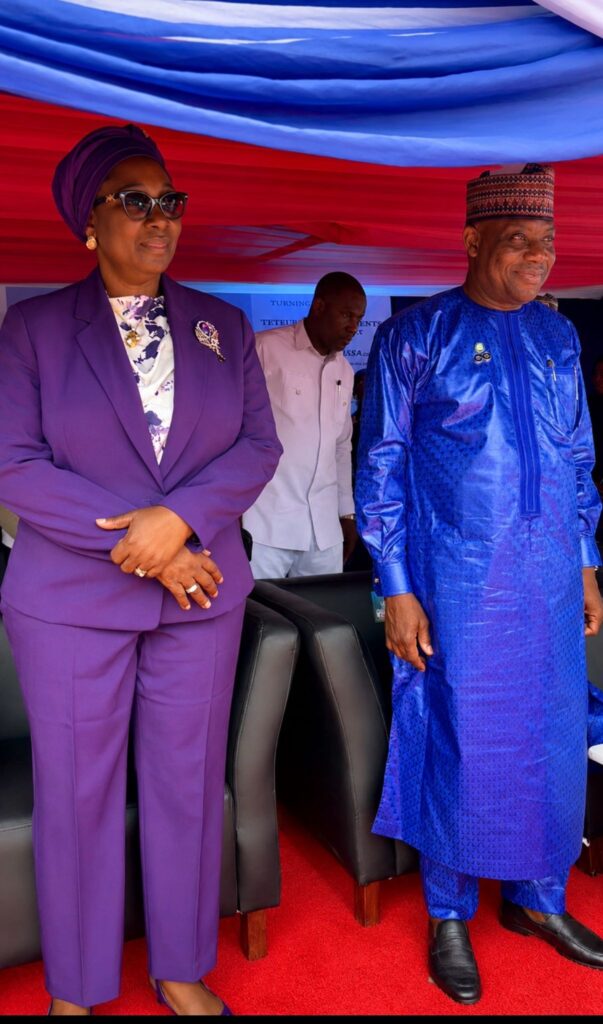
At LASU, the atmosphere combined ceremony with urgency as Minister of Education Tunji Alausa joined Vice Chancellor Ibironke Olatunji-Bello, university officials, financiers, student representatives and project stakeholders for the official foundation stone laying ceremony of a major hostel development expected to significantly reshape residential life on campus.
Hours later, the minister proceeded to YABATECH where he joined Rector Ibraheem Adedotun Abdul for the groundbreaking ceremony of a 1,500-bed hostel project being delivered through a Public-Private Partnership arrangement involving Intergrated Project Ltd.
Together, both developments signal what stakeholders describe as a broader institutional shift aimed at restoring dignity, safety and modern infrastructure to student living within Nigeria’s tertiary education system.
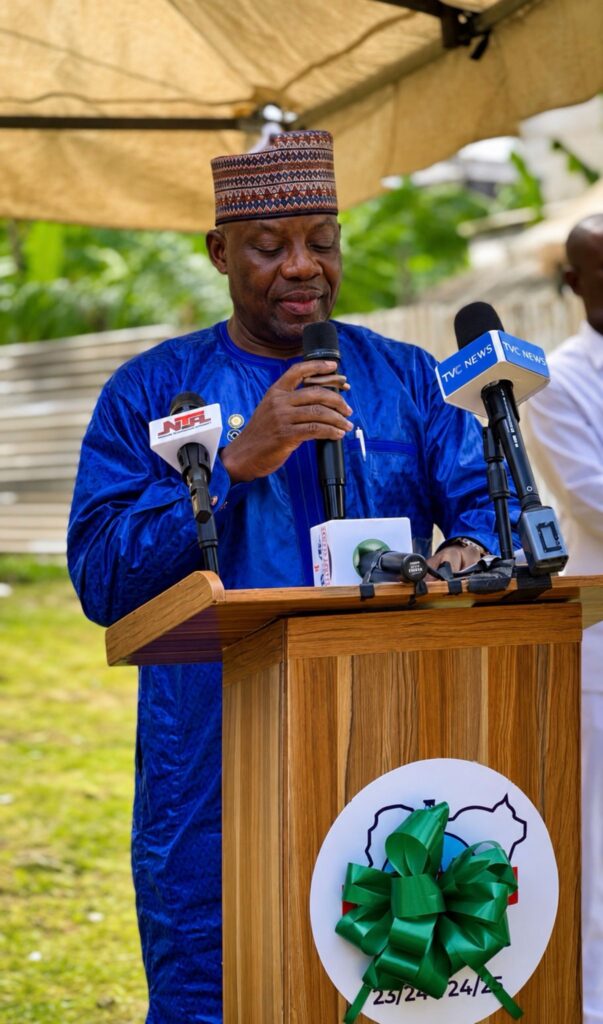
Speaking during the ceremonies, Alausa framed the projects as strategic national investments tied directly to educational competitiveness and student welfare.
“Education infrastructure must evolve beyond classrooms alone,” the minister said. “A conducive learning environment includes safe accommodation, stable electricity, and an ecosystem that allows students to thrive academically and socially. These projects are therefore not optional interventions — they are strategic national investments.”
His remarks reflected growing recognition among policymakers that academic excellence cannot flourish fully within environments where students contend daily with housing insecurity, unstable utilities and overstretched residential facilities.
Across many Nigerian institutions, chronic hostel shortages have forced thousands of students into expensive off-campus accommodation markets where transportation costs, insecurity and poor living conditions frequently undermine concentration and academic productivity.
For LASU, the challenge has remained especially acute. With a student population estimated at more than 35,000 and hostel facilities accommodating less than twenty percent of enrolled students, pressure on residential infrastructure has intensified steadily over the years.
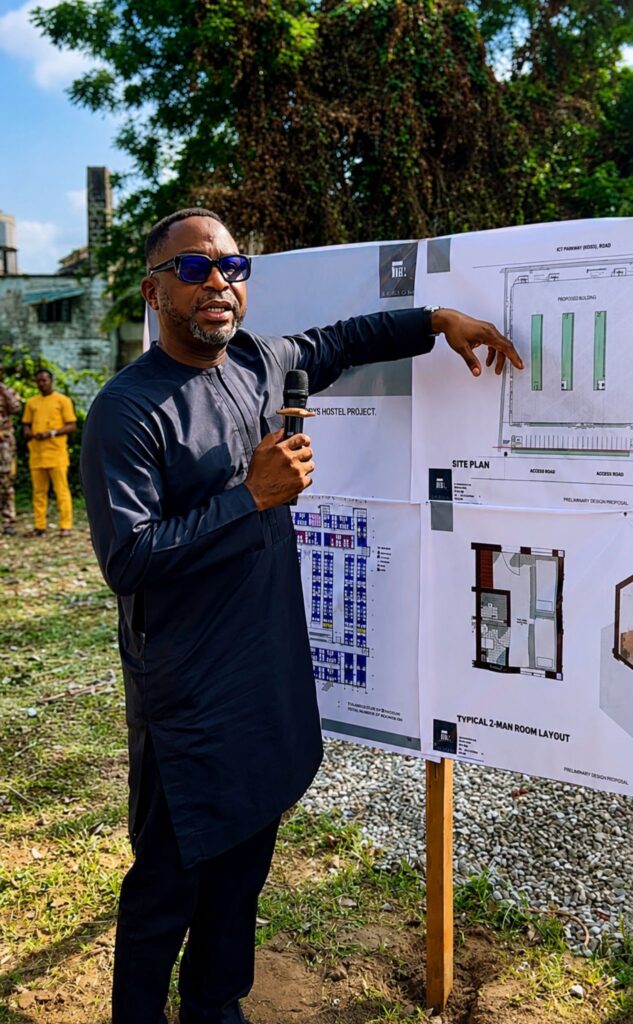
University stakeholders said the new 1,500-bed development would significantly ease that burden while helping cultivate a more modern and community-oriented residential culture on campus.
That ambition extends beyond the construction of physical buildings. Throughout both ceremonies, administrators, financiers and project stakeholders repeatedly stressed that accommodation occupies a central position within the broader educational ecosystem.
Representatives of the project consortium described student housing as one of the most underestimated pillars of academic excellence.
“A hostel is not merely a structure where students sleep,” a project stakeholder said during the ceremony. “It is where friendships are formed, leadership is developed, ideas are exchanged, and communities are built. Quality accommodation directly influences emotional wellbeing, academic performance, security, and the broader student experience.”
The sentiments resonated strongly among students and university officials who have long argued that the quality of campus life influences learning outcomes almost as profoundly as lecture halls and laboratories.
Globally, university residential systems are often treated as extensions of academic culture, shaping mentorship, discipline, collaboration and social development among students. Stakeholders involved in the LASU and YABATECH projects believe the developments could help reposition accommodation as a central component of educational reform rather than an afterthought within institutional planning.

The projects also represent an important evolution in the financing and execution of tertiary infrastructure within Nigeria.
Both developments are being delivered through carefully structured Public-Private Partnership frameworks, reflecting increasing confidence in private-sector participation as a viable mechanism for addressing longstanding infrastructure deficits in the education sector.
For decades, traditional state-dependent funding models have struggled to keep pace with expanding enrolment figures and mounting infrastructure demands across universities and polytechnics. As a result, public-private collaborations are increasingly being viewed as practical pathways for accelerating development while distributing financial risk across multiple stakeholders.
Industry observers say such arrangements may become increasingly important as institutions seek sustainable methods of expansion without overwhelming public budgets already strained by competing national priorities.
For Intergrated Project Ltd, participation in the YABATECH hostel development further strengthens its growing profile within the institutional infrastructure space, particularly projects designed to balance commercial sustainability with broader social impact.
The projects have also drawn support from financial and legal institutions involved in moving them from planning stages to implementation. Stakeholders at the ceremonies commended President Bola Ahmed Tinubu for what they described as a timely intervention aimed at revitalising student welfare infrastructure nationwide.
Recognition was equally directed toward LASU leadership figures including Olatunji-Bello and Deputy Vice Chancellor Oseni Afisi, alongside supporting institutions such as Keystone Bank, Kerdos Capital and Tope Adebayo LP for their collaborative roles in advancing the projects to commencement stage.
Beyond infrastructure development, Alausa also addressed lingering concerns surrounding instability within Nigeria’s education sector, particularly anxieties over industrial disputes that have repeatedly disrupted academic calendars across tertiary institutions.
“Our objective is stability,” the minister said. “Students deserve uninterrupted academic calendars, institutions deserve operational certainty, and Nigeria deserves an education sector capable of competing globally.”
The statement drew considerable attention from stakeholders who view institutional predictability as critical to restoring confidence in Nigeria’s higher education system after years of strikes and prolonged disruptions that have delayed graduations and interrupted academic progress for thousands of students.
University administrators argue that meaningful reform cannot occur within systems perpetually destabilised by industrial crises and policy uncertainty.
Alausa further disclosed that the Federal Government was making plans to provide dedicated power substations to ensure uninterrupted electricity supply for the facilities upon completion.
The announcement generated optimism among attendees given the central role electricity plays in academic productivity and student welfare. Across many tertiary institutions, students routinely contend with prolonged outages that disrupt studying, research and basic residential life.
Stakeholders described the proposed substations as evidence of a broader attempt to create functional educational ecosystems rather than isolated infrastructure projects lacking operational support.
Reliable electricity, administrators noted, remains indispensable to modern learning environments increasingly dependent on digital tools, electronic research systems and technology-driven academic engagement.
Beyond policy and infrastructure, however, the minister delivered a more reflective message directed at students themselves, urging young Nigerians to resist narratives of hopelessness and become ambassadors of optimism within a country often publicly defined through the language of crisis.
“Nigeria’s story should not only be told through hardship,” he said. “Young people must also project the possibilities, opportunities, innovation, and resilience that define this country.”
His remarks arrived amid persistent economic pressures, rising unemployment concerns and growing migration aspirations among many Nigerian youths. Yet within the campuses gathered around these new developments, officials and students alike spoke about the importance of creating environments capable of nurturing ambition rather than exhaustion.
That aspiration formed part of the emotional undercurrent surrounding both ceremonies.
As dignitaries posed for photographs and ceremonial shovels cut into the earth, the symbolism extended beyond architecture and engineering. Increasingly, what emerged was the sense of institutions attempting to redefine the relationship between learning and living within Nigerian higher education.
Student accommodation has long remained one of the quietest crises in the country’s tertiary sector. Across campuses, overcrowded hostels and deteriorating facilities gradually became normalised through years of underinvestment and rising enrolment pressure.
Many students adapted out of necessity, often navigating conditions that placed severe strain on their health, safety and academic concentration.
In Lagos particularly, the crisis carries additional weight.
As one of Africa’s fastest-growing urban centres, the city presents intense housing and transportation pressures that frequently complicate student life. Long commuting hours through congested roads, escalating rental costs and insecurity within informal accommodation markets have increasingly shaped the realities confronting students across major institutions.
Campus-based residential developments therefore offer practical relief within an urban environment where proximity to learning can significantly improve educational experience and quality of life.
Observers within the education sector believe the LASU and YABATECH projects may ultimately establish important benchmarks for other tertiary institutions seeking innovative approaches to infrastructure financing and development.
Public-Private Partnership frameworks, once approached cautiously within sections of the education sector, are now attracting wider interest as universities and polytechnics search for sustainable financing models capable of supporting expansion without depending exclusively on government allocations.
Whether the projects become isolated successes or catalysts for broader reform may depend largely on execution, continuity and institutional commitment over the coming years.
For now, however, the groundbreaking ceremonies have already achieved something symbolically significant: they have placed student welfare at the centre of a national conversation about educational renewal.
As construction equipment prepares to move fully onto the sites and foundation work advances into visible structures, anticipation continues building among students who view the projects as signs of overdue attention to the conditions shaping their daily lives.
Fresh concrete will eventually rise where open ground now lies. Corridors, study spaces and residential communities will emerge gradually from architectural drawings into physical reality.
But perhaps the deeper significance of the developments lies less in their walls than in the institutional philosophy driving them.
LASU and YABATECH appear determined to demonstrate that educational ambition cannot exist independently of student dignity, and that universities aspiring to compete globally must first create environments where students can live, study and dream with safety, stability and hope.
Speaking on the significance of the developments, Olayinka Kusemiju, a Director at Intergrated Project Limited, noted, “Education infrastructure is not simply about buildings; it is about dignity, opportunity, and the environment we create for future generations to thrive.”
He further described the projects as part of a broader commitment to nation-building through impactful infrastructure delivery.
“For us at Intergrated Project Ltd, this is bigger than bricks and concrete. It is about contributing meaningfully to the future of Nigerian education and ensuring students have access to safe, modern, and conducive living spaces.”
Industry stakeholders have praised the developments as a bold response to the persistent accommodation challenges confronting many tertiary institutions across Nigeria. The scale, ambition, and speed of execution have already positioned the LASU and YABATech hostel schemes among the most notable student housing interventions currently underway within the country’s public education system.
Kusemiju also emphasized the importance of collaboration between government institutions and private investors in driving sustainable educational development.
“When visionary leadership, institutional support, and private-sector expertise align, transformational projects become possible. That is exactly what these hostel developments represent.”
As groundwork continues across both campuses, the projects are increasingly being viewed not just as hostel developments, but as catalysts for a new conversation around infrastructure excellence within Nigeria’s higher education landscape.
For many observers, the vision may have begun on paper — but through disciplined execution and strategic coordination, Olayinka Kusemiju and Intergrated Project Ltd are helping make that vision a reality.