Foreign reserves have hit a three-year high at $40.4 billion, data from the Central Bank of Nigeria (CBN) have shown.
The figure indicated an increase of about $1 billion between December 2017 and January 2018.
The CBN said the new reserves level was as projected by Governor Godwin Emefiele in November during the Chartered Institute of Bankers (CIBN) Annual Bankers’ Dinner in Lagos.
The CBN has injected $210 million into the interbank Foreign Exchange Market in the first round of trading for the year. The fund will enable the regulator meet forex demands at the retail-end of the market, including requests in the wholesale, Small and Medium Enterprises (SMEs) and invisibles segments of the market.
A breakdown of the figure shows that the CBN offered $100 million to the Wholesale sector. The Small and Medium Enterprises (SMEs) and invisibles windows each received $55 million.
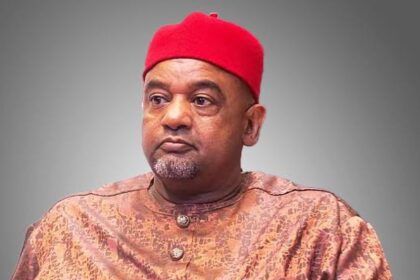
Confirming the foreign reserves figure, the Acting Director in charge of Corporate Communications at the CBN, Isaac Okorafor, attributed the accretion to the country’s reserves to the bank’s strategy to effectively manage forex demand by various sectors of the economy.
Citing the CBN’s policy restricting access to forex to importers of some 41 items as the major turning point, Okorafor said the policy helped to stop the bleeding of the country’s external reserves, which witnessed heavy depletion due to huge import bills and other debt obligations.
According to him, the CBN’s policy ensured a decline in Nigeria’s import bills from over $5 billion monthly in 2015 to about $1.5 billion in 2017.
He expressed optimism that with determination of the bank and the cooperation of fiscal authorities, the external reserves will continue to enjoy more accretion in 2018.